




Reviving the Junkers Ju 52 was no easy task. The original aircraft had been designed without the benefit of today’s advanced design tools, relying instead on “paper, pencils, and slide rules,” as noted by Danny Wadewitz, analysis engineer and executive board member at AeroFEM. The project’s objective was to develop a modernized version of the Ju 52 that complied with current airworthiness regulations, especially the strict weight limits mandated by today’s standards.
case study
Bringing the iconic Junkers Ju 52
aircraft back to life digitally
AeroFEM uses Simcenter and NX to reverse engineer an aircraft, integrate modern materials and meet aviation standards
AeroFEM GmbH
AeroFEM transforms your ideas from initial concept through to serial production, offering comprehensive design, simulation-based verification, and testing to ensure certification.
Headquarters: Ennetbürgen, Switzerland
Products: NX, Simcenter Femap, Simcenter STAR-CCM+
Industry Sector: Aerospace & defense
Challenges
- Lower aircraft take-off weight to comply with current certification standards.
- Rebuild the aircraft by combining new scans with existing models after the original production data was lost during WWII.
- Replace original materials with modern alternatives that meet specifications, are commercially available, and comply with certification requirements.
Keys to success
- Utilize NX software for reverse engineering.
- Harness Simcenter tools to perform aerodynamic and structural analyses.
- Incorporate modern aluminum alloys that replicate the properties of the original materials while meeting current standards.
Results
- Digitally reconstructed the Ju 52
- Emphasized the groundbreaking engineering of the original Ju 52.
- Used the digital model as a detailed historical archive.
- Lowered the take-off weight from 10.5 tons to 8.6 tons.
Fortunately, Siemens has advanced NX reverse engineering tools, which are very intuitive and easy to use.
Danny Wadewitz , Analysis Engineer and Executive Board Member, AeroFEM
Demonstrating the airworthiness of the Junkers Ju 52
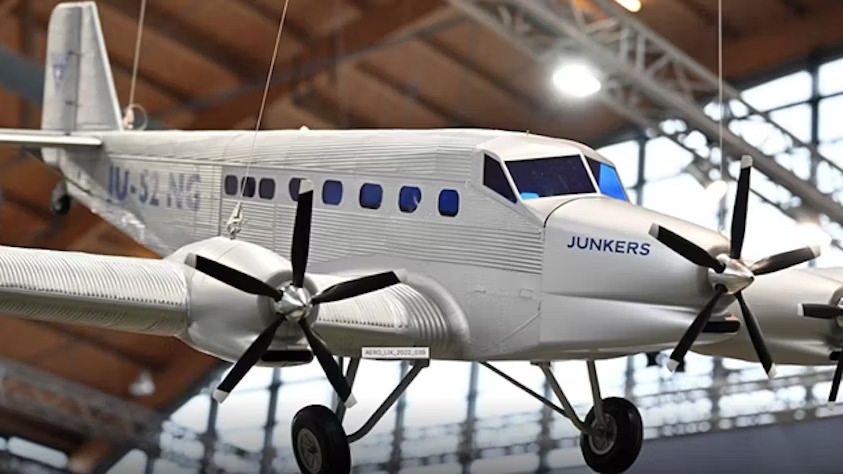
In aviation history, few aircraft are as iconic as the Junkers Ju 52, affectionately called “Tante Ju” (Auntie Ju). First flying in 1932, the Ju 52 became a symbol of dependability. Originally designed as a civilian airliner by the German company Junkers, its standout feature was the distinctive corrugated metal skin, which provided both a unique, rippled look and enhanced stability, all while keeping weight minimal.
The Ju 52/3m, the most renowned version, was a trimotor aircraft with three engines that greatly boosted its performance, earning it popularity among airlines and cargo operators. In its early years, Deutsche Luft Hansa, Germany’s national airline, used the Ju 52 to link cities across Europe. Its ability to land on shorter, rougher airstrips, where other aircraft faced challenges, made it especially valuable in remote or emerging regions.
Beyond Europe, the Ju 52 was crucial in expanding air travel and transport in regions with limited infrastructure. In South America, it became an essential link across the Andes, while in Africa, it frequently appeared, delivering goods and passengers to remote areas. Its versatility was a key strength, with various configurations including passenger seating, cargo holds, and even floatplane versions in some cases.
Even with the advent of faster, more modern aircraft, the Ju 52 remained in service globally, admired for its durability and simple mechanics. Today, it stands as a cherished symbol of early aviation, with several preserved in museums, providing a nostalgic window into a past era of flight.
Facing the challenges of modernizing the Ju 52
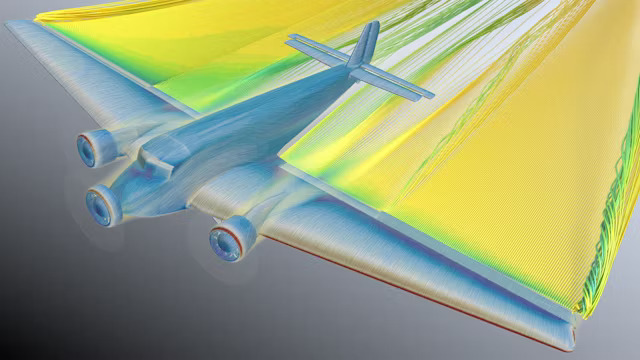
Despite its iconic status and success, the Junkers Ju 52 faced modern challenges that ultimately led to its grounding. By 2018, the last operational models in Europe were retired following a tragic accident that underscored the need for updated airworthiness standards. In response, AeroFEM, a Swiss engineering firm specializing in aviation, set out to prove the airworthiness of a modern-day Ju 52 replica. They utilized Siemens Digital Industries Software, including Simcenter™ and NX™ software, both part of the Siemens Xcelerator platform, to support this mission.
Highlighting the importance of reverse engineering
As industries work to integrate legacy technology into contemporary systems, reverse engineering is key to keeping older designs functional and relevant in the digital era. This process involves breaking down existing products to analyze their components, structure, and functionality, enabling engineers to rebuild or improve them using modern technologies.
For AeroFEM, reverse engineering was essential in revitalizing the Junkers Ju 52. By digitally capturing every detail of the aircraft, they produced an intricate 3D model that preserved the original design while adapting it for modern use. This method not only pays tribute to past engineering achievements but also creates a seamless connection between historical designs and modern standards.
As technology advances quickly, reverse engineering provides a way to maintain a link between the past and the present. It enables engineers to analyze and replicate proven designs, ensuring that valuable insights and innovations are preserved. This is especially crucial in industries like aviation, where integrating legacy systems with modern technology is essential to meet today’s safety and performance standards.
Leveraging Simcenter and modern engineering tools
AeroFEM’s strategy for addressing these challenges was to utilize Simcenter tools, offering a complete suite for simulation and analysis. This enabled the team to reconstruct and examine the aircraft with unmatched accuracy.
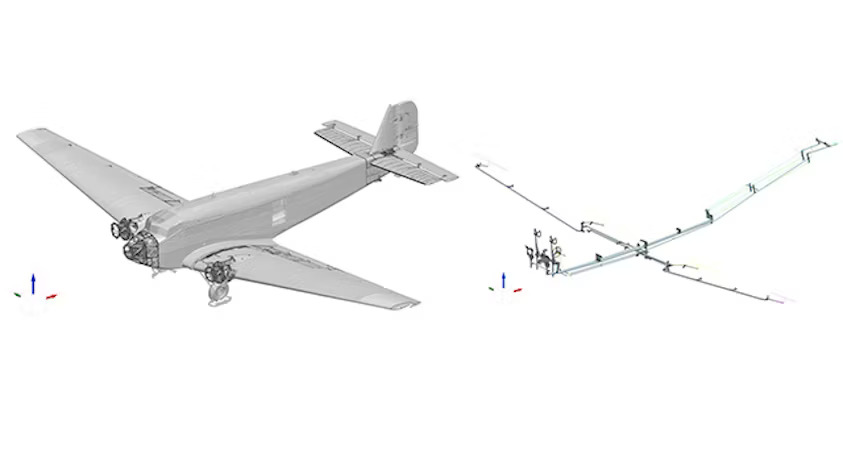
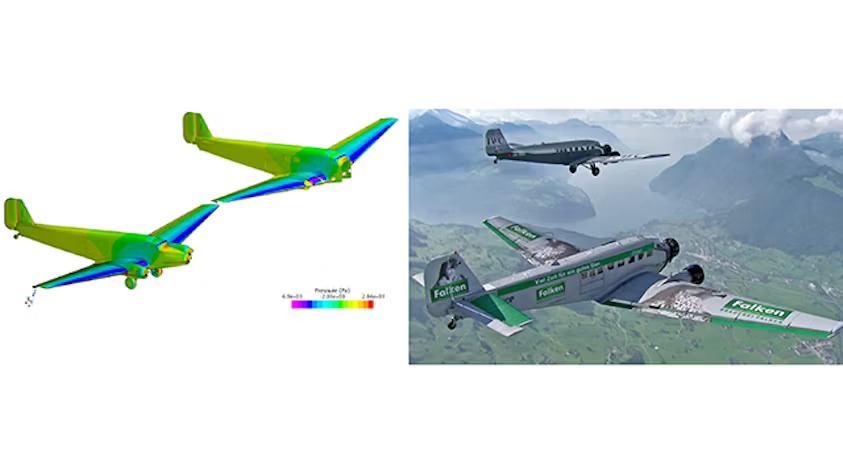
The process began with thorough reverse engineering, starting with two existing Ju 52 aircraft to collect initial data. “We essentially had to rebuild everything from the ground up,” explains Wadewitz. “Our plan was to 3D-scan the aircraft, which we ended up doing twice—once from the outside, and then again from the inside, capturing the aircraft in various stages of disassembly.”
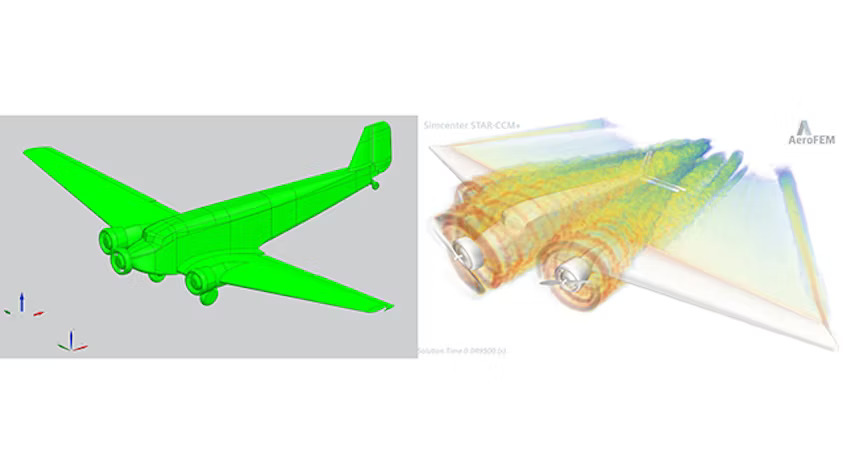
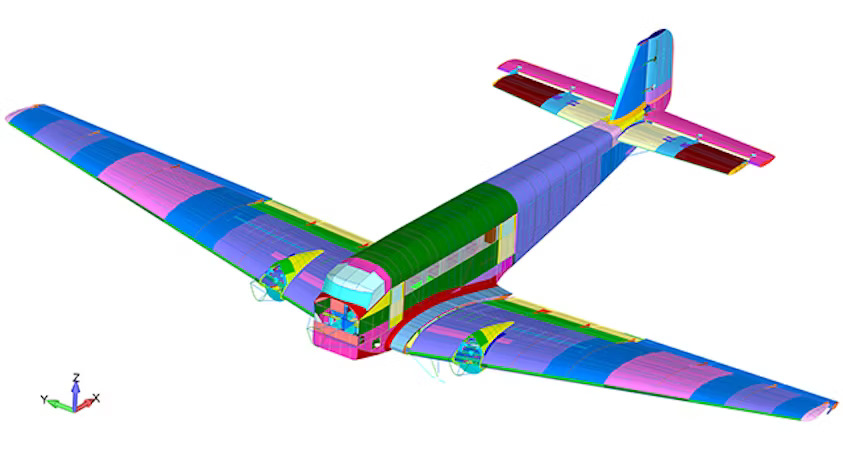
The scanning process produced a large point cloud, which formed the basis for creating detailed digital models. Leveraging NX as an advanced reverse engineering tool, AeroFEM converted these points into surfaces, components, and a fully integrated assembly of the aircraft.
“Luckily, Siemens provides advanced NX reverse engineering tools that are both intuitive and user-friendly,” says Wadewitz. “Our engineers, many of whom were new to this process, quickly adapted to NX and nearly perfected the technique.”
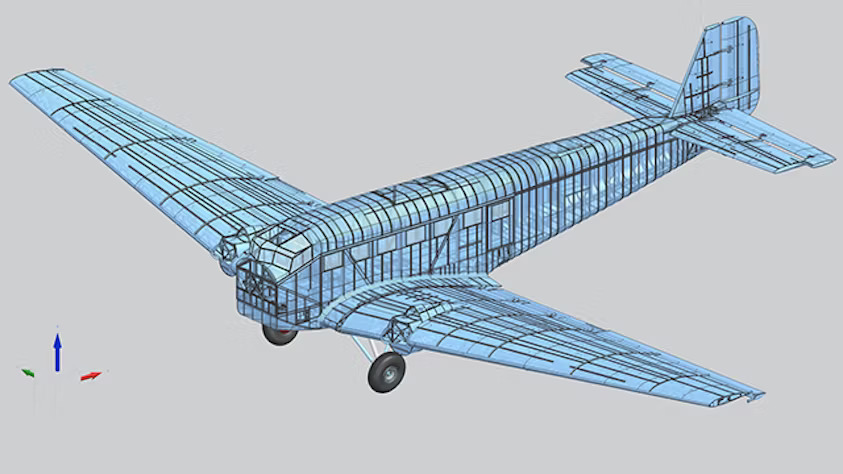
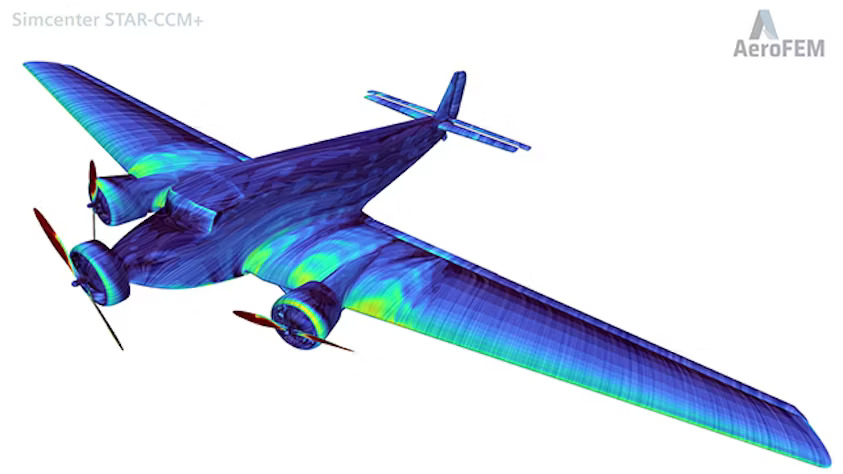
Once the digital model was established, the team progressed to aerodynamic and structural analysis using Simcenter STAR-CCM+™ for computational fluid dynamics (CFD) and Simcenter Femap™ with Simcenter™ Nastran for finite element analysis (FEA). By utilizing these tools, AeroFEM engineers conducted thorough simulations to assess the aircraft’s performance and structural integrity across a range of conditions.
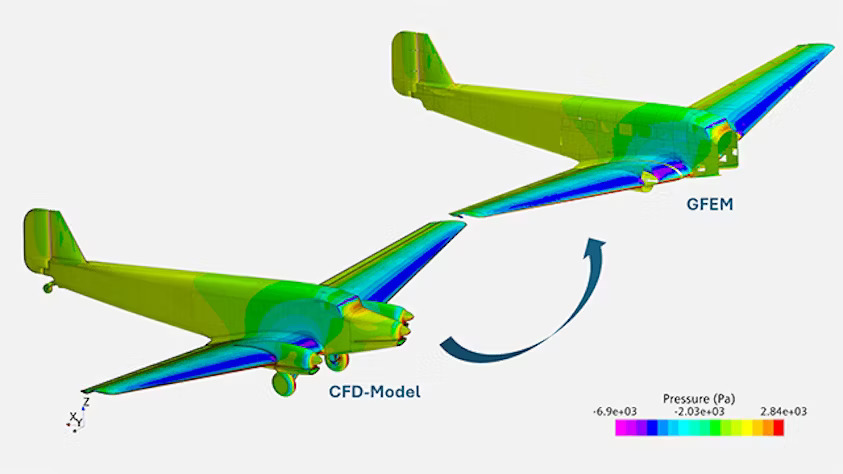
“With Simcenter STAR-CCM+, we took the geometry from our reverse engineering work and ran a CFD analysis,” explains Wadewitz. “We then used the CFD results to set the boundary conditions in Simcenter Femap for FEA analysis, which allowed us to determine the internal loads on each truss of the aircraft.”
The analysis highlighted the exceptional engineering of the original Ju 52, showing that there was limited potential for weight optimization. “One of the surprises was how little room there was for improvement,” says Wadewitz. “The engineers back then had already maximized efficiency, leaving minimal opportunity for weight reduction on the structural side.” Since they couldn’t reduce the take-off weight from 10.5 to 8.6 tons purely through structural changes to meet modern certification standards, they opted to cut down on fuel capacity and the number of passengers instead. This adjustment had minimal impact on the aircraft’s range, as modern engines are much more fuel-efficient than the original ones.
A key challenge in the project was choosing the right materials for the replica aircraft. The original Ju 52 was constructed with a copper-aluminum alloy, but this had to be substituted with modern materials due to issues with availability and certification requirements.
“You have to work with what’s commercially available today,” says Wadewitz. “We had to select a material that matches the strength and durability of the original but is readily available on the market.”
The team chose modern aluminum alloys that closely mirrored the properties of the original materials, preserving the aircraft’s historical integrity while ensuring it met current standards.
AeroFEM anticipated challenges due to the aircraft’s age, asymmetry, and material deformations. Years of wear and tear had affected the aircraft’s structural integrity, necessitating thorough attention during the simulation process.
“It’s definitely no longer symmetrical,” says Wadewitz. “The aircraft went through numerous incidents and repairs, and it experienced the kind of material deformations that occur over time due to wear and creep.”
These factors had to be taken into account when converting the reverse-engineered shape back into the design form originally intended by the engineers.
Understanding the outcomes and lessons learned
Although the project was unable to move forward to flight testing due to early funding constraints, it still stands as a major accomplishment in engineering. AeroFEM effectively showcased how modern tools can be applied to historical designs, demonstrating that the engineering excellence of the past can seamlessly integrate with today’s advanced technologies.
“With the authorities, in our case EASA, we didn’t make much progress,” says Wadewitz. “We reached the point where we applied for a type certificate; had the funding not ended, we would have eventually had the replica aircraft flying.”
Despite the setback, AeroFEM’s efforts yielded invaluable insights into the structural integrity and possibilities for modern improvements to the Ju 52. The digital model they developed during the project now serves as a historical archive, safeguarding the aircraft’s legacy for future generations. “This is now the definitive record of the aircraft’s design,” says Wadewitz. “It’s likely one of the oldest aircraft now stored in a PLM system like Teamcenter.”
The Junkers Ju 52 project provided valuable lessons for AeroFEM and the broader engineering community. It emphasized the importance of thorough data collection, the effectiveness of modern simulation tools, and the lasting impact of historical engineering achievements.
A key takeaway was the importance of respecting and understanding the engineering decisions made almost a century ago. “The requirements are much stricter today than they were back then, but the engineers at the time really knew what they were doing,” says Wadewitz.
The project also highlighted the importance of blending historical research with modern technology, setting the stage for similar initiatives in the future.
Preserving and learning from our engineering heritage
AeroFEM’s effort to return the Junkers Ju 52 to the skies stands as a remarkable testament to engineering innovation and commitment. By utilizing Simcenter and NX, and applying modern engineering principles, they showcased the possibility of integrating historical designs with today’s standards. Although the Ju 52 didn’t take flight again, its legacy lives on through AeroFEM’s work and the invaluable insights gained from this bold initiative.
Looking ahead to the future of aviation, projects like this serve as a reminder of the importance of preserving and learning from our engineering heritage. They ensure that the lessons of the past continue to drive innovation and excellence in the years to come.
Our engineers working on this, who have never done so before, picked up on using NX quickly and almost perfected the process.
Danny Wadewitz, Analysis Engineer and Executive Board Member, AeroFEM